


D2D Development
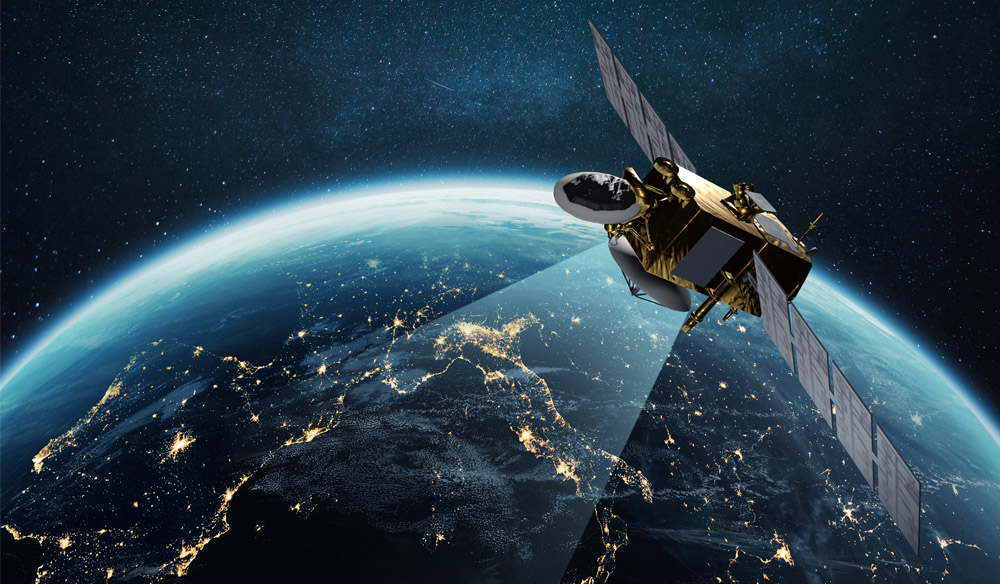
Direct-to-Device (D2D) technologies enable direct communication between a satellite and an end-user device such as a cell phone or laptop, without requiring specialized hardware or large antennas on the ground. The main value of D2D is not in replacing cellular networks but in supplementing them. D2D will boost existing coverage to eliminate dead zones in remote, rural, and geographically challenging areas where deploying traditional cell towers is not economically or logistically viable. The United States is leading the world in the development and deployment of advanced D2D networks.
 D2D use cases are varied and compelling, encompassing emergency services and public safety, enterprise and industrial “internet-of-things applications, and bridging the digital divide. For public safety, D2D can provide a critical lifeline in emergency situations when terrestrial infrastructure is damaged or out of range, a capability popularized by Apple’s “Emergency SOS via satellite” feature. D2D is also increasingly facilitating traditional, consumer-facing mobile network services such as texting, voice calling, and data, as in T-Mobile’s T-Satellite service being offered in a partnership with Starlink.
The United States has taken a forward-looking approach to these developments, implementing a Supplemental Coverage from Space (SCS) framework that enables satellite operators to piggyback on the spectrum held by a partnering mobile network operator. This has allowed operators to bring D2D connectivity to millions of existing devices without delay.
Participants in the 2027 World Radiocommunication Conference (WRC-27), meanwhile, will debate creating new spectrum allocations for direct connectivity between satellites and mobile devices under agenda item 1.13. The United States is actively engaged in international discussions that will lead to successful U.S. outcomes on this agenda item.